Aug 30, 2017secmagbaseNewsComments Off on Cyber-attaque internationale
Une cyber-attaque de grande envergure et d’un niveau sans précédent a touché des dizaines de pays dans le monde le mardi 29 Août 2017. Parmi les victimes, gooogle, qui a été obligé de...
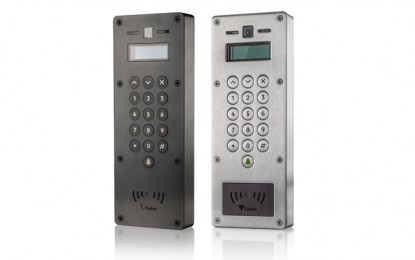
Aug 28, 2017secmagbaseNewsComments Off on Paxton introduce next generation of Net2 Entry
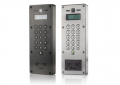
Paxton introduce next generation of Net2 Entry with improved functionality, for installers and integrators Paxton have introduced the next generation of Net2 Entry their leading door entry system,...
Aug 28, 2017secmagbaseNewsComments Off on Norbain Holdings appoints Managing Director
Norbain Holdings has announced the appointment of Jeremy Hockham as Managing Director. Jeremy joins the company with broad international industry experience, having been President of Bosch Security...
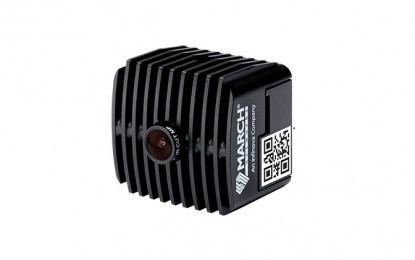
March Networks introduces world’s first self-contained, HDR surveillance camera for banking ATMs
Aug 27, 2017secmagbaseNewsComments Off on March Networks introduces world’s first self-contained, HDR surveillance camera for banking ATMs
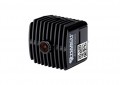
March Networks, a provider of intelligent IP video solutions used by more than 450 financial customers worldwide, is pleased to introduce the MegaPX ATM camera. The MegaPX ATM camera is the...
ENTERTECH SYSTEMS, the official operating partner forSuprema in the United Kingdom and Paxton, the UK market leader in access control, have announced the launch of ENTERTECH’s ‘BioConnect...
What is TVI? TVI and HD-SDI both are HD-over-coaxial solutions. However, bottlenecks seen in HD-SDI applications still remain, such as transmission distance, storage, and total cost. Now, TVT has...
Vancouver, Canada The newest and most innovative security products will be on display on the Avigilon stand at Ifsec next month, to be held from 17-19 June in London, UK. The company is preparing to...
Brickcom introduces IVA technology – be your Sherlock
Sep 04, 2015secmagbaseNewsComments Off on Brickcom introduces IVA technology – be your Sherlock
Brickcom, an IP surveillance solution provider, is pleased to introduce the Brickcom Superb Detective – intelligent video analysis (IVA) technology, including intrusion detection, tampering...
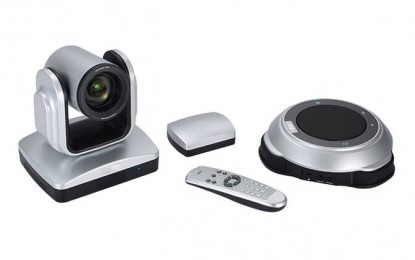
AVer launches VC520 conference camera for cloud and web-based video conferencing
Sep 03, 2015secmagbaseNewsComments Off on AVer launches VC520 conference camera for cloud and web-based video conferencing
AVer Information has launched a new addition to its business communication solution, the VC520 Conference Camera. The VC520 brings professional-grade video and audio quality to cloud- and web-based...
David Wilkinson announced as British Standards Institute GW/1 Chair
Sep 03, 2015secmagbaseNewsComments Off on David Wilkinson announced as British Standards Institute GW/1 Chair
David Wilkinson, Director of Technical Services at the British Security Industry Association (BSIA), has been appointed Chair of the British Standards Institute’s GW/1 committee, which oversees...